WCry is so mean Microsoft issues patch for 3 unsupported Windows versions

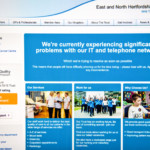
Enlarge (credit: Health Service Journal) A day after a ransomware worm infected 75,000 machines in 100 countries, Microsoft is taking the highly unusual step of issuing patches that immunize Windows XP, 8, and Server 2003, operating systems the company stopped supporting as many as three years ago. The company also rolled out a signature that allows its Windows Defender antivirus engine to provide “defese-in-depth” protection. The moves came after attackers on Friday used a recently leaked attack tool developed by the National Security Agency to virally spread ransomware known as WCry . Within hours, computer systems around the world were crippled, prompting hospitals to turn away patients and telecoms, banks and companies such as FedEx to turn off computers for the weekend. The chaos surprised many security watchers because Microsoft issued an update in March that patched the underlying vulnerability in Windows 7 and most other supported versions of Windows. (Windows 10 was never vulnerable.) Friday’s events made it clear that enough unpatched systems exist to cause significant outbreaks that could happen again in the coming days or months. In a blog post published late Friday night , Microsoft officials wrote: Read 9 remaining paragraphs | Comments

Read the original post:
WCry is so mean Microsoft issues patch for 3 unsupported Windows versions
New Windows look and feel, Neon, is officially the “Microsoft Fluent Design System”

Enlarge / Project Neon in the Groove Music app. (credit: Tom Hounsell ) SEATTLE—Earlier this year, pictures of a new Windows look and feel leaked . Codenamed Project Neon , the new look builds on Microsoft Design Language 2 (MDL2), the styling currently used in Windows 10, to add elements of translucency and animation. Neon has now been officially announced, and it has an official new name: the Microsoft Fluent Design System. The awkward MDL2 name exists because the original codename for the geometric, text-centric style introduced with Windows Phone 7 and incrementally iterated ever since was subject of a trademark dispute. That look and feel was internally named Metro, but Microsoft had to stop using the Metro name after pushback from a German supermarket chain . The company didn’t initially have any particularly good name to refer to the styling formerly known as Metro, so many people continued to use that term for lack of anything better. It wasn’t until a couple of months after dropping “Metro” that a new name, “Microsoft Design Language,” was settled on. Our understanding is that Neon befell a similar fate; someone out there is using the Neon name, forcing Microsoft to pick a different appellation. This time around, however, the company has recognized that it’s important to have an official name for the style that it can talk about and describe, giving us “Microsoft Fluent Design System.” Read 6 remaining paragraphs | Comments

See original article:
New Windows look and feel, Neon, is officially the “Microsoft Fluent Design System”

‘WannaCry’ ransomware attack spreads worldwide (update)

England’s healthcare system came under a withering cyberattack Friday morning, with ” at least 25 ” hospitals across the country falling prey to ransomware that locked doctors and employees out of critical systems and networks. The UK government now reports that this is not a (relatively) isolated attack but rather a single front in a massive regionwide digital assault. #nhscyberattack pic.twitter.com/SovgQejl3X — gigi.h (@fendifille) May 12, 2017 The attack has impacted hospitals and transportation infrastructure across Europe, Russia and Asia. Organizations in dozens of countries have all been hit with the same ransomware program, a variant of the WannaCry virus, spouting the same ransom note and demanding $300 for the encryption key, with the demand escalating as time passes. The virus’s infection vector appears to through a known vulnerability, originally exploited and developed by the National Security Agency. That information was subsequently leaked by the hacking group known as Shadow Broker which has been dumping its cache of purloined NSA hacking tools onto the internet since last year. The virus appears to have originally spread via email as compressed file attachment so, like last week’s Google Docs issue, make sure you confirm that you email’s attachments are legit before clicking on them. Also, make sure your computers are using software that’s still receiving security updates, and that you’ve installed the latest updates available. Microsoft released a fix for the exploit used as a part of its March “Patch Tuesday” release, but unpatched Windows systems remain vulnerable. Update : Reuters reports a statement from Microsoft indicating that engineers have added detection and protection against the “Ransom:Win32.WannaCrypt” malware, so make sure your Windows Defender or other antivirus is updated before logging on to any corporate networks that may be infected. In a statement, a FedEx representative confirmed its systems are being impacted, saying “Like many other companies, FedEx is experiencing interference with some of our Windows-based systems caused by malware. We are implementing remediation steps as quickly as possible. We regret any inconvenience to our customers.” Source: New York Times

See the article here:
‘WannaCry’ ransomware attack spreads worldwide (update)

Windows Server will add the Linux subsystem, join the Insider program

(credit: Microsoft) SEATTLE—When Microsoft first introduced the Windows Subsystem for Linux (WSL) at last year’s Build developer conference , it said that it was doing so to make developers who were familiar with the Linux command line feel comfortable on Windows . The immediate and inevitable question was “Well, what about Windows Server?” Development is one thing, but what if organizations wanted to occasionally deploy their Linux software on Windows? Although Windows Server 2016 and Windows 10 share many components, the Server operating system hasn’t thus far included WSL, consistent with the “developer only” rationale. But that’s going to change: at Build this week, Microsoft announced that WSL will be included in Server later this year. Microsoft still isn’t positioning this as a way of running Linux server in production on Windows; rather, the company says the addition will be useful for administrative tasks. With WSL, Windows can run scripts written for Linux. But we’re hard-pressed to see things stopping there; it seems inevitable that at some point, Windows will offer the ability to run Linux server software as one of its features. Read 3 remaining paragraphs | Comments

More:
Windows Server will add the Linux subsystem, join the Insider program

Today’s Massive Ransomware Attack Was Mostly Preventable—Here’s How To Avoid It

Ransomware may be mostly thought of as a (sometimes costly) nuisance, but when it hinders the ability of doctors and nurses to help people with an emergency medical problems, that qualifies as armed robbery. Read more…

See the original article here:
Today’s Massive Ransomware Attack Was Mostly Preventable—Here’s How To Avoid It

WCry is so mean Microsoft issues patch for 3 unsupported Windows versions

Enlarge (credit: Health Service Journal) A day after a ransomware worm infected 75,000 machines in 100 countries, Microsoft is taking the highly unusual step of issuing patches that immunize Windows XP, 8, and Server 2003, operating systems the company stopped supporting as many as three years ago. The company also rolled out a signature that allows its Windows Defender antivirus engine to provide “defese-in-depth” protection. The moves came after attackers on Friday used a recently leaked attack tool developed by the National Security Agency to virally spread ransomware known as WCry . Within hours, computer systems around the world were crippled, prompting hospitals to turn away patients and telecoms, banks and companies such as FedEx to turn off computers for the weekend. The chaos surprised many security watchers because Microsoft issued an update in March that patched the underlying vulnerability in Windows 7 and most other supported versions of Windows. (Windows 10 was never vulnerable.) Friday’s events made it clear that enough unpatched systems exist to cause significant outbreaks that could happen again in the coming days or months. In a blog post published late Friday night , Microsoft officials wrote: Read 9 remaining paragraphs | Comments

See the original post:
WCry is so mean Microsoft issues patch for 3 unsupported Windows versions

Biggest Global Cyber Attack Ever? 10 WannaCry Ransomware Facts

A global cybersecurity attack involving WannaCry ransomware crippled Microsoft Windows computers across the globe today. Here are 10 facts to know. The post Biggest Global Cyber Attack Ever? 10 WannaCry Ransomware Facts appeared first on ChannelE2E .

Read the article:
Biggest Global Cyber Attack Ever? 10 WannaCry Ransomware Facts

Windows 10 fall update will restore (and improve) OneDrive’s best feature

Microsoft Windows 10 was a big improvement over Windows 8.1 in most important ways, but it made a big change to the way OneDrive syncing worked. In Windows 8.1, you could see all the files you had stored in OneDrive, but the operating system would only actually download and open the file when you needed to open it. At least for PCs that usually have Internet connections, this was a neat way to offer cloud file syncing without consuming gigabytes of space for infrequently used files on every computer you were signed into. But the behavior could be error-prone—apps could attempt to open the placeholder files created by OneDrive rather than the files themselves—and it could create confusion about which files were actually available offline. So in the initial releases of Windows 10, Microsoft changed the behavior to be more Dropbox-esque . All OneDrive files are now downloaded to your PC when you sign in, though as with Dropbox you can choose to only sync selected folders based on what you need to have available at all times. Read 4 remaining paragraphs | Comments

Read the original post:
Windows 10 fall update will restore (and improve) OneDrive’s best feature

‘WannaCry’ ransomware attack spreads worldwide (update)

England’s healthcare system came under a withering cyberattack Friday morning, with ” at least 25 ” hospitals across the country falling prey to ransomware that locked doctors and employees out of critical systems and networks. The UK government now reports that this is not a (relatively) isolated attack but rather a single front in a massive regionwide digital assault. #nhscyberattack pic.twitter.com/SovgQejl3X — gigi.h (@fendifille) May 12, 2017 The attack has impacted hospitals and transportation infrastructure across Europe, Russia and Asia. Organizations in dozens of countries have all been hit with the same ransomware program, a variant of the WannaCry virus, spouting the same ransom note and demanding $300 for the encryption key, with the demand escalating as time passes. The virus’s infection vector appears to through a known vulnerability, originally exploited and developed by the National Security Agency. That information was subsequently leaked by the hacking group known as Shadow Broker which has been dumping its cache of purloined NSA hacking tools onto the internet since last year. The virus appears to have originally spread via email as compressed file attachment so, like last week’s Google Docs issue, make sure you confirm that you email’s attachments are legit before clicking on them. Also, make sure your computers are using software that’s still receiving security updates, and that you’ve installed the latest updates available. Microsoft released a fix for the exploit used as a part of its March “Patch Tuesday” release, but unpatched Windows systems remain vulnerable. Update : Reuters reports a statement from Microsoft indicating that engineers have added detection and protection against the “Ransom:Win32.WannaCrypt” malware, so make sure your Windows Defender or other antivirus is updated before logging on to any corporate networks that may be infected. In a statement, a FedEx representative confirmed its systems are being impacted, saying “Like many other companies, FedEx is experiencing interference with some of our Windows-based systems caused by malware. We are implementing remediation steps as quickly as possible. We regret any inconvenience to our customers.” Source: New York Times

More:
‘WannaCry’ ransomware attack spreads worldwide (update)

Windows Server will add the Linux subsystem, join the Insider program

(credit: Microsoft) SEATTLE—When Microsoft first introduced the Windows Subsystem for Linux (WSL) at last year’s Build developer conference , it said that it was doing so to make developers who were familiar with the Linux command line feel comfortable on Windows . The immediate and inevitable question was “Well, what about Windows Server?” Development is one thing, but what if organizations wanted to occasionally deploy their Linux software on Windows? Although Windows Server 2016 and Windows 10 share many components, the Server operating system hasn’t thus far included WSL, consistent with the “developer only” rationale. But that’s going to change: at Build this week, Microsoft announced that WSL will be included in Server later this year. Microsoft still isn’t positioning this as a way of running Linux server in production on Windows; rather, the company says the addition will be useful for administrative tasks. With WSL, Windows can run scripts written for Linux. But we’re hard-pressed to see things stopping there; it seems inevitable that at some point, Windows will offer the ability to run Linux server software as one of its features. Read 3 remaining paragraphs | Comments

See the original post:
Windows Server will add the Linux subsystem, join the Insider program