‘WannaCry’ ransomware attack spreads worldwide (update)

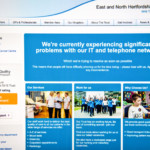
England’s healthcare system came under a withering cyberattack Friday morning, with ” at least 25 ” hospitals across the country falling prey to ransomware that locked doctors and employees out of critical systems and networks. The UK government now reports that this is not a (relatively) isolated attack but rather a single front in a massive regionwide digital assault. #nhscyberattack pic.twitter.com/SovgQejl3X — gigi.h (@fendifille) May 12, 2017 The attack has impacted hospitals and transportation infrastructure across Europe, Russia and Asia. Organizations in dozens of countries have all been hit with the same ransomware program, a variant of the WannaCry virus, spouting the same ransom note and demanding $300 for the encryption key, with the demand escalating as time passes. The virus’s infection vector appears to through a known vulnerability, originally exploited and developed by the National Security Agency. That information was subsequently leaked by the hacking group known as Shadow Broker which has been dumping its cache of purloined NSA hacking tools onto the internet since last year. The virus appears to have originally spread via email as compressed file attachment so, like last week’s Google Docs issue, make sure you confirm that you email’s attachments are legit before clicking on them. Also, make sure your computers are using software that’s still receiving security updates, and that you’ve installed the latest updates available. Microsoft released a fix for the exploit used as a part of its March “Patch Tuesday” release, but unpatched Windows systems remain vulnerable. Update : Reuters reports a statement from Microsoft indicating that engineers have added detection and protection against the “Ransom:Win32.WannaCrypt” malware, so make sure your Windows Defender or other antivirus is updated before logging on to any corporate networks that may be infected. In a statement, a FedEx representative confirmed its systems are being impacted, saying “Like many other companies, FedEx is experiencing interference with some of our Windows-based systems caused by malware. We are implementing remediation steps as quickly as possible. We regret any inconvenience to our customers.” Source: New York Times

See the article here:
‘WannaCry’ ransomware attack spreads worldwide (update)

‘WannaCry’ ransomware attack spreads worldwide (update)

England’s healthcare system came under a withering cyberattack Friday morning, with ” at least 25 ” hospitals across the country falling prey to ransomware that locked doctors and employees out of critical systems and networks. The UK government now reports that this is not a (relatively) isolated attack but rather a single front in a massive regionwide digital assault. #nhscyberattack pic.twitter.com/SovgQejl3X — gigi.h (@fendifille) May 12, 2017 The attack has impacted hospitals and transportation infrastructure across Europe, Russia and Asia. Organizations in dozens of countries have all been hit with the same ransomware program, a variant of the WannaCry virus, spouting the same ransom note and demanding $300 for the encryption key, with the demand escalating as time passes. The virus’s infection vector appears to through a known vulnerability, originally exploited and developed by the National Security Agency. That information was subsequently leaked by the hacking group known as Shadow Broker which has been dumping its cache of purloined NSA hacking tools onto the internet since last year. The virus appears to have originally spread via email as compressed file attachment so, like last week’s Google Docs issue, make sure you confirm that you email’s attachments are legit before clicking on them. Also, make sure your computers are using software that’s still receiving security updates, and that you’ve installed the latest updates available. Microsoft released a fix for the exploit used as a part of its March “Patch Tuesday” release, but unpatched Windows systems remain vulnerable. Update : Reuters reports a statement from Microsoft indicating that engineers have added detection and protection against the “Ransom:Win32.WannaCrypt” malware, so make sure your Windows Defender or other antivirus is updated before logging on to any corporate networks that may be infected. In a statement, a FedEx representative confirmed its systems are being impacted, saying “Like many other companies, FedEx is experiencing interference with some of our Windows-based systems caused by malware. We are implementing remediation steps as quickly as possible. We regret any inconvenience to our customers.” Source: New York Times

More:
‘WannaCry’ ransomware attack spreads worldwide (update)

‘WannaCry’ ransomware attack spreads worldwide (update)

England’s healthcare system came under a withering cyberattack Friday morning, with ” at least 25 ” hospitals across the country falling prey to ransomware that locked doctors and employees out of critical systems and networks. The UK government now reports that this is not a (relatively) isolated attack but rather a single front in a massive regionwide digital assault. #nhscyberattack pic.twitter.com/SovgQejl3X — gigi.h (@fendifille) May 12, 2017 The attack has impacted hospitals and transportation infrastructure across Europe, Russia and Asia. Organizations in dozens of countries have all been hit with the same ransomware program, a variant of the WannaCry virus, spouting the same ransom note and demanding $300 for the encryption key, with the demand escalating as time passes. The virus’s infection vector appears to through a known vulnerability, originally exploited and developed by the National Security Agency. That information was subsequently leaked by the hacking group known as Shadow Broker which has been dumping its cache of purloined NSA hacking tools onto the internet since last year. The virus appears to have originally spread via email as compressed file attachment so, like last week’s Google Docs issue, make sure you confirm that you email’s attachments are legit before clicking on them. Also, make sure your computers are using software that’s still receiving security updates, and that you’ve installed the latest updates available. Microsoft released a fix for the exploit used as a part of its March “Patch Tuesday” release, but unpatched Windows systems remain vulnerable. Update : Reuters reports a statement from Microsoft indicating that engineers have added detection and protection against the “Ransom:Win32.WannaCrypt” malware, so make sure your Windows Defender or other antivirus is updated before logging on to any corporate networks that may be infected. In a statement, a FedEx representative confirmed its systems are being impacted, saying “Like many other companies, FedEx is experiencing interference with some of our Windows-based systems caused by malware. We are implementing remediation steps as quickly as possible. We regret any inconvenience to our customers.” Source: New York Times

View post:
‘WannaCry’ ransomware attack spreads worldwide (update)

‘WannaCry’ ransomware attack spreads worldwide (update)

England’s healthcare system came under a withering cyberattack Friday morning, with ” at least 25 ” hospitals across the country falling prey to ransomware that locked doctors and employees out of critical systems and networks. The UK government now reports that this is not a (relatively) isolated attack but rather a single front in a massive regionwide digital assault. #nhscyberattack pic.twitter.com/SovgQejl3X — gigi.h (@fendifille) May 12, 2017 The attack has impacted hospitals and transportation infrastructure across Europe, Russia and Asia. Organizations in dozens of countries have all been hit with the same ransomware program, a variant of the WannaCry virus, spouting the same ransom note and demanding $300 for the encryption key, with the demand escalating as time passes. The virus’s infection vector appears to through a known vulnerability, originally exploited and developed by the National Security Agency. That information was subsequently leaked by the hacking group known as Shadow Broker which has been dumping its cache of purloined NSA hacking tools onto the internet since last year. The virus appears to have originally spread via email as compressed file attachment so, like last week’s Google Docs issue, make sure you confirm that you email’s attachments are legit before clicking on them. Also, make sure your computers are using software that’s still receiving security updates, and that you’ve installed the latest updates available. Microsoft released a fix for the exploit used as a part of its March “Patch Tuesday” release, but unpatched Windows systems remain vulnerable. Update : Reuters reports a statement from Microsoft indicating that engineers have added detection and protection against the “Ransom:Win32.WannaCrypt” malware, so make sure your Windows Defender or other antivirus is updated before logging on to any corporate networks that may be infected. In a statement, a FedEx representative confirmed its systems are being impacted, saying “Like many other companies, FedEx is experiencing interference with some of our Windows-based systems caused by malware. We are implementing remediation steps as quickly as possible. We regret any inconvenience to our customers.” Source: New York Times

Read More:
‘WannaCry’ ransomware attack spreads worldwide (update)

‘WannaCry’ ransomware attack spreads worldwide (update)

England’s healthcare system came under a withering cyberattack Friday morning, with ” at least 25 ” hospitals across the country falling prey to ransomware that locked doctors and employees out of critical systems and networks. The UK government now reports that this is not a (relatively) isolated attack but rather a single front in a massive regionwide digital assault. #nhscyberattack pic.twitter.com/SovgQejl3X — gigi.h (@fendifille) May 12, 2017 The attack has impacted hospitals and transportation infrastructure across Europe, Russia and Asia. Organizations in dozens of countries have all been hit with the same ransomware program, a variant of the WannaCry virus, spouting the same ransom note and demanding $300 for the encryption key, with the demand escalating as time passes. The virus’s infection vector appears to through a known vulnerability, originally exploited and developed by the National Security Agency. That information was subsequently leaked by the hacking group known as Shadow Broker which has been dumping its cache of purloined NSA hacking tools onto the internet since last year. The virus appears to have originally spread via email as compressed file attachment so, like last week’s Google Docs issue, make sure you confirm that you email’s attachments are legit before clicking on them. Also, make sure your computers are using software that’s still receiving security updates, and that you’ve installed the latest updates available. Microsoft released a fix for the exploit used as a part of its March “Patch Tuesday” release, but unpatched Windows systems remain vulnerable. Update : Reuters reports a statement from Microsoft indicating that engineers have added detection and protection against the “Ransom:Win32.WannaCrypt” malware, so make sure your Windows Defender or other antivirus is updated before logging on to any corporate networks that may be infected. In a statement, a FedEx representative confirmed its systems are being impacted, saying “Like many other companies, FedEx is experiencing interference with some of our Windows-based systems caused by malware. We are implementing remediation steps as quickly as possible. We regret any inconvenience to our customers.” Source: New York Times

Visit link:
‘WannaCry’ ransomware attack spreads worldwide (update)

‘WannaCry’ ransomware attack spreads worldwide (update)

England’s healthcare system came under a withering cyberattack Friday morning, with ” at least 25 ” hospitals across the country falling prey to ransomware that locked doctors and employees out of critical systems and networks. The UK government now reports that this is not a (relatively) isolated attack but rather a single front in a massive regionwide digital assault. #nhscyberattack pic.twitter.com/SovgQejl3X — gigi.h (@fendifille) May 12, 2017 The attack has impacted hospitals and transportation infrastructure across Europe, Russia and Asia. Organizations in dozens of countries have all been hit with the same ransomware program, a variant of the WannaCry virus, spouting the same ransom note and demanding $300 for the encryption key, with the demand escalating as time passes. The virus’s infection vector appears to through a known vulnerability, originally exploited and developed by the National Security Agency. That information was subsequently leaked by the hacking group known as Shadow Broker which has been dumping its cache of purloined NSA hacking tools onto the internet since last year. The virus appears to have originally spread via email as compressed file attachment so, like last week’s Google Docs issue, make sure you confirm that you email’s attachments are legit before clicking on them. Also, make sure your computers are using software that’s still receiving security updates, and that you’ve installed the latest updates available. Microsoft released a fix for the exploit used as a part of its March “Patch Tuesday” release, but unpatched Windows systems remain vulnerable. Update : Reuters reports a statement from Microsoft indicating that engineers have added detection and protection against the “Ransom:Win32.WannaCrypt” malware, so make sure your Windows Defender or other antivirus is updated before logging on to any corporate networks that may be infected. In a statement, a FedEx representative confirmed its systems are being impacted, saying “Like many other companies, FedEx is experiencing interference with some of our Windows-based systems caused by malware. We are implementing remediation steps as quickly as possible. We regret any inconvenience to our customers.” Source: New York Times

Follow this link:
‘WannaCry’ ransomware attack spreads worldwide (update)

‘WannaCry’ ransomware attack spreads worldwide (update)

England’s healthcare system came under a withering cyberattack Friday morning, with ” at least 25 ” hospitals across the country falling prey to ransomware that locked doctors and employees out of critical systems and networks. The UK government now reports that this is not a (relatively) isolated attack but rather a single front in a massive regionwide digital assault. #nhscyberattack pic.twitter.com/SovgQejl3X — gigi.h (@fendifille) May 12, 2017 The attack has impacted hospitals and transportation infrastructure across Europe, Russia and Asia. Organizations in dozens of countries have all been hit with the same ransomware program, a variant of the WannaCry virus, spouting the same ransom note and demanding $300 for the encryption key, with the demand escalating as time passes. The virus’s infection vector appears to through a known vulnerability, originally exploited and developed by the National Security Agency. That information was subsequently leaked by the hacking group known as Shadow Broker which has been dumping its cache of purloined NSA hacking tools onto the internet since last year. The virus appears to have originally spread via email as compressed file attachment so, like last week’s Google Docs issue, make sure you confirm that you email’s attachments are legit before clicking on them. Also, make sure your computers are using software that’s still receiving security updates, and that you’ve installed the latest updates available. Microsoft released a fix for the exploit used as a part of its March “Patch Tuesday” release, but unpatched Windows systems remain vulnerable. Update : Reuters reports a statement from Microsoft indicating that engineers have added detection and protection against the “Ransom:Win32.WannaCrypt” malware, so make sure your Windows Defender or other antivirus is updated before logging on to any corporate networks that may be infected. In a statement, a FedEx representative confirmed its systems are being impacted, saying “Like many other companies, FedEx is experiencing interference with some of our Windows-based systems caused by malware. We are implementing remediation steps as quickly as possible. We regret any inconvenience to our customers.” Source: New York Times

More here:
‘WannaCry’ ransomware attack spreads worldwide (update)

‘WannaCry’ ransomware attack spreads worldwide (update)

England’s healthcare system came under a withering cyberattack Friday morning, with ” at least 25 ” hospitals across the country falling prey to ransomware that locked doctors and employees out of critical systems and networks. The UK government now reports that this is not a (relatively) isolated attack but rather a single front in a massive regionwide digital assault. #nhscyberattack pic.twitter.com/SovgQejl3X — gigi.h (@fendifille) May 12, 2017 The attack has impacted hospitals and transportation infrastructure across Europe, Russia and Asia. Organizations in dozens of countries have all been hit with the same ransomware program, a variant of the WannaCry virus, spouting the same ransom note and demanding $300 for the encryption key, with the demand escalating as time passes. The virus’s infection vector appears to through a known vulnerability, originally exploited and developed by the National Security Agency. That information was subsequently leaked by the hacking group known as Shadow Broker which has been dumping its cache of purloined NSA hacking tools onto the internet since last year. The virus appears to have originally spread via email as compressed file attachment so, like last week’s Google Docs issue, make sure you confirm that you email’s attachments are legit before clicking on them. Also, make sure your computers are using software that’s still receiving security updates, and that you’ve installed the latest updates available. Microsoft released a fix for the exploit used as a part of its March “Patch Tuesday” release, but unpatched Windows systems remain vulnerable. Update : Reuters reports a statement from Microsoft indicating that engineers have added detection and protection against the “Ransom:Win32.WannaCrypt” malware, so make sure your Windows Defender or other antivirus is updated before logging on to any corporate networks that may be infected. In a statement, a FedEx representative confirmed its systems are being impacted, saying “Like many other companies, FedEx is experiencing interference with some of our Windows-based systems caused by malware. We are implementing remediation steps as quickly as possible. We regret any inconvenience to our customers.” Source: New York Times

Read the article:
‘WannaCry’ ransomware attack spreads worldwide (update)

17,000 AT&T technicians and call center workers go on strike [Updated]

Enlarge (credit: Mike Mozart ) Update on March 23 : Less than 24 hours after it began, AT&T said that “The brief grievance strike has been resolved and employees are returning to work today.” Original story : About 17,000 AT&T wireline technicians and call center employees went on strike in California and Nevada today while filing an unfair labor charge to the National Labor Relations Board (NLRB) alleging that AT&T violated federal law. Read 12 remaining paragraphs | Comments

Link:
17,000 AT&T technicians and call center workers go on strike [Updated]

Scientists design the next-gen CRISPR for gene editing

CRISPR is already effective enough to be used in experimental therapies for leukemia, cystic fibrosis, sickle cell disease and other conditions. But a team of scientists from Western University have created an even more effective version of CRISPR by adding an engineered enzyme called TevCas9. The current version of CRISPR uses an enzyme known as Cas9 to cut DNA segments, such as the specific parts that cause genetic disorders. Western’s scientists created TevCas9 by combining Cas9 with another enzyme called I-Tevl. According to the team, the next-gen CRISPR is more precise and more efficient. Plus, it has the potential to prevent genes from repairing themselves. Lead scientist David Edgell explains: “The problem with CRISPR is that it will cut DNA, but then DNA-repair will take that cut and stick it back together. That means it is regenerating the site that the CRISPR is trying to target, creating a futile cycle. The novelty of our addition, is that it stops that regeneration from happening.” See, the upgraded CRISPR cuts genes in two places instead of just one to make it tougher for self-repair to kick in. The team still has to confirm that through further testing, but as the team says, that “is the hope and the expectation.” If you want to read the study’s technical details, check out the team’s paper in the Proceedings of the National Academy of Sciences . Source: PNAS , Western University

See more here:
Scientists design the next-gen CRISPR for gene editing