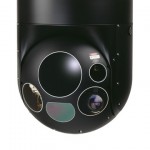
Sorry FBI, you can’t randomly hijack someone’s webcam. Stefano Maffei A federal magistrate judge has denied (PDF) a request from the FBI to install sophisticated surveillance software to track someone suspected of attempting to conduct a “sizeable wire transfer from [John Doe’s] local bank [in Texas] to a foreign bank account.” Back in March 2013, the FBI asked the judge to grant a month-long “ Rule 41 search and seizure warrant ” of a suspect’s computer “at premises unknown” as a way to find out more about this possible violations of “federal bank fraud, identity theft and computer security laws.” In an unusually-public order published this week , Judge Stephen Smith slapped down the FBI on the grounds that the warrant request was overbroad and too invasive. In it, he gives a unique insight as to the government’s capabilities for sophisticated digital surveillance on potential targets. According to the judge’s description of the spyware, it sounds very similar to the RAT software that many miscreants use to spy on other Internet users without their knowledge. (Ars editor Nate Anderson detailed the practice last month.) Read 10 remaining paragraphs | Comments
View article:
FBI denied permission to spy on hacker through his webcam


 An anonymous reader sends this news from the CBC: “Using a Samsung Galaxy SIII — one of the most popular smartphones available in Canada — and a free app downloaded from the Google Play store, CBC was able to read information such as a card number, expiry date and cardholder name simply holding the smartphone over a debit or credit card. And it could be done through wallets, pockets and purses. … Although the NFC antennas in current smartphones need to be very close to a card in order to work — no farther than 10 cm — that could change with the next generation of Android smartphones. Legary said the Samsung Galaxy S4, set to go on sale this spring, might have a much more capable NFC antenna, which could not only read credit cards from a greater distance, but could also be able to read the chips embedded in enhanced driving licenses and passports.” Read more of this story at Slashdot.
 Haiti has been battling a massive cholera outbreak since, roughly, around the time international aid groups arrived in the country following the 2010 earthquake. Now, genetic evidence links the strain of cholera in Haiti to a rare strain native to Nepal — further proof that it was Nepalese UN Peacekeepers who brought cholera to Haiti . This news comes two months after the UN claimed immunity from any financial liability relating to the outbreak, writes Stacey Singer at the Palm Beach Post.
 The software giant sends out invitations that confirm rumors of the next-generation console’s unveiling next month. [Read more]